The story of the bicycle starts way back in the early 19th century. The first version wasn't quite the two-wheeled marvel we know today. It was called the "dandy horse" or "laufmaschine" and appeared in 1817, thanks to a German inventor named Karl Drais. This wooden contraption didn’t have pedals. Instead, riders pushed off the ground with their feet, balancing as they glided along.
As the bicycle idea caught on, several inventors began to tinker with Drais's design. By the 1860s, pedals were added to the front wheel, creating what we now call the "velocipede." This change allowed riders to propel themselves forward. The design was a hit, and it wasn't long before they started appearing in cities across Europe. People were excited about this new way to get around!
However, the velocipede had its drawbacks. The front wheel was larger than the back, meaning the ride could be a bit bumpy and tricky. Riders had to be careful, as the high seating position made falling off quite the spectacle! But hey, there’s no adventure without a little risk, right?
Despite its quirks, the velocipede sparked major interest in bicycles. This early enthusiasm led to improvements in design and comfort. By the late 1800s, bicycles were transitioning to the more familiar "safety bicycle" with two equal-sized wheels, making rides smoother and safer for everyone. The bicycle was evolving, setting the stage for the amazing journey that would follow.
The Evolution of Bicycle Design
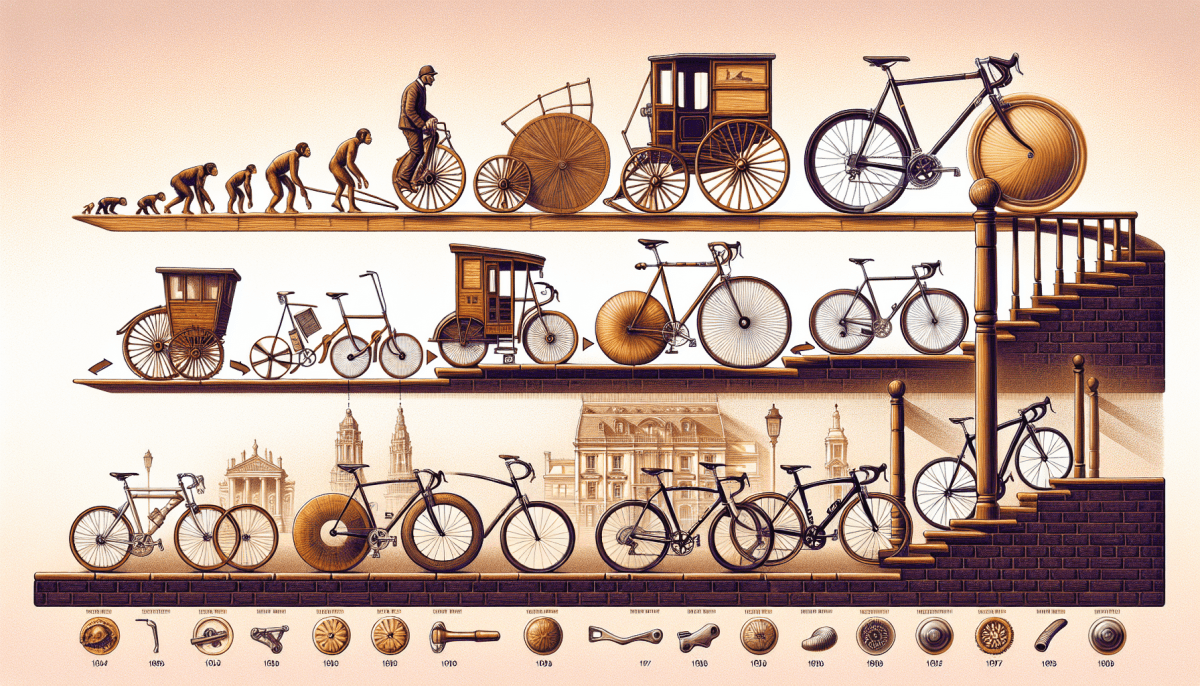
Bicycle design has come a long way since the early days when two wooden wheels were attached to a frame. The first true bicycle, known as the "Dandy Horse," appeared in the early 19th century. It didn’t have pedals; riders pushed themselves along with their feet. It was simple but started the conversation about personal transportation.
Fast forward to the 1860s, and we see a major leap with the introduction of the penny-farthing. This bike had a large front wheel and a smaller back wheel, and it quickly became popular. Riders enjoyed the thrill of speed, but the design was tricky; if you hit a bump, you could easily go flying over the front. Talk about a wild ride!
As technology progressed, so did bicycle design. The late 1800s introduced the safer safety bicycle design, which had two wheels of equal size and pedals directly connected to the rear wheel. This made cycling much more accessible for everyone, and it set the stage for the bikes we use today. The chain drive was a game changer, allowing for smoother rides and better control.
In the 20th century, we began to see a wider variety of bicycles, from mountain bikes to road bikes. Each was designed with different needs in mind. Today, materials like aluminum and carbon fiber make bicycles lighter and easier to handle, while new gear systems improve shifting and overall performance. Biking is not just a mode of transportation anymore; it’s a beloved hobby and a way to stay fit.
Game Changing Innovations in Cycling
Cycling has come a long way since the first wooden bicycles rolled onto the scene. Today, game-changing innovations are reshaping the experience for riders of all levels. Let’s dive into some of the coolest advancements that are making cycling even more exciting!
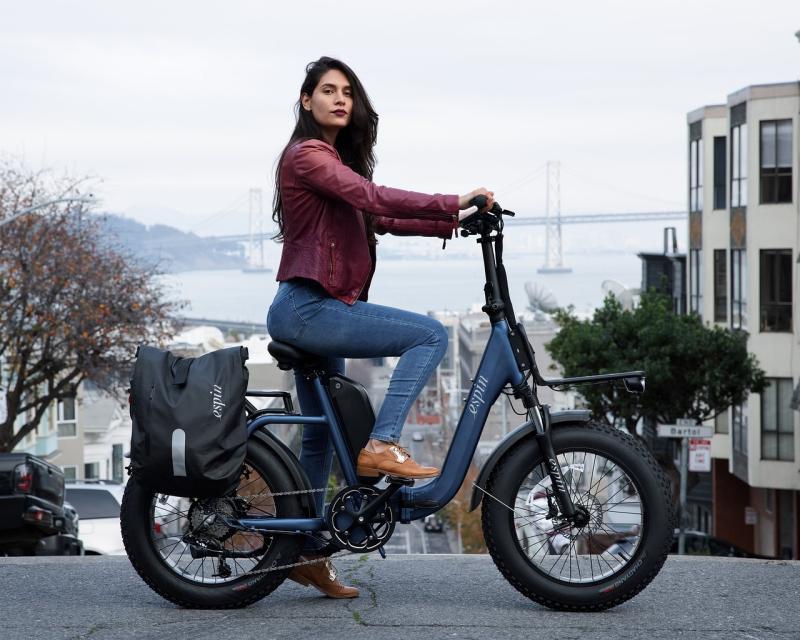
First up, let’s talk about electric bikes, or e-bikes. These beauties have a small motor that helps you pedal, giving you that extra boost when you need it. Whether you're tackling steep hills or just want a more relaxed ride, e-bikes make cycling accessible for everyone. Plus, they’re great for commuting, allowing you to arrive at work without breaking a sweat!
Next, we have smart cycling gear. Think of helmets with built-in lights and turn signals—pretty neat, right? Not only do they keep you safe by increasing your visibility, but they also help you communicate with others on the road. You can cycle with peace of mind, knowing you’re doing your part to stay seen.
Don’t forget about advanced bike materials! Today’s bicycles are made from lightweight carbon fiber or aluminum, making them easier to handle and faster to ride. These materials mean you can enjoy a smooth, speedy ride without the extra weight slowing you down. It’s a total game changer for serious cyclists who want to shave off those precious seconds during a race.
Finally, let’s look at smartphone integration. Many modern bikes come with apps that track your speed, distance, and even your heart rate! This technology helps cyclists set goals and monitor progress, making your rides even more satisfying. With everything at your fingertips, it’s never been easier to keep track of your cycling journey.
Bicycles Today and Future Trends
Bicycles have come a long way since their invention in the early 19th century. Today, they are not just a mode of transportation, but also a lifestyle choice for many. With the rise of eco-consciousness and a push for healthier living, biking has gained popularity among people of all ages. Modern bicycles come in various styles, from road bikes to mountain bikes, each designed for specific terrains and riding experiences. This variety means there’s a perfect bike out there for everyone, whether you’re commuting to work or hitting the trails.
Technology is also making a big impact on the biking world. Electric bikes, or e-bikes, are one of the most exciting developments. These bikes come with a battery-powered motor that assists your pedaling, making long distances and steep hills more manageable. This means you can enjoy longer rides without feeling completely exhausted. Plus, many cities are expanding their bike lanes and offering rental services, making it easier than ever to jump on a bike.
Another trend to watch is the integration of smart technology into bicycles. From GPS tracking for navigation to apps that track your fitness data, bikes are becoming smarter and more connected. These features not only enhance your riding experience but also help you stay safe on the road. With built-in lights and alarms, today’s bikes aim to keep you visible and secure while you ride.
As we look towards the future, sustainability will likely drive more innovations. Many companies are focusing on using recycled materials in their bike designs and creating eco-friendly accessories. This shift not only helps the planet but also appeals to the growing community of environmentally conscious riders. Expect to see more bike-sharing programs and infrastructure that supports cycling as cities aim to reduce pollution and traffic congestion.